Maximising Efficiency in 2026 with Innovative Industrial Racking Systems
As industries continue to evolve, the importance of efficient storage solutions cannot be overstated. By 2026, the demands on space and logistics are expected to increase exponentially, necessitating the adoption of innovative industrial racking systems. These systems are designed to optimise space, improve accessibility, and streamline operations, ultimately leading to increased productivity and reduced operational costs.
The Evolution of Racking Systems
Racking systems have come a long way from the traditional pallet racking that dominated warehouses for decades. The future of industrial storage is being shaped by advancements in technology and a greater understanding of inventory management. In 2026, we will witness the rise of automated racking solutions, which utilise robotics and artificial intelligence to manage stock levels and facilitate rapid order fulfilment. These systems not only save space but also reduce the need for manual handling, minimising the risk of injuries and errors.
Space Optimisation Techniques
One of the primary advantages of innovative racking systems is their ability to maximise available space. By employing vertical storage solutions, businesses can take full advantage of their warehouse height, creating additional storage levels without expanding the physical footprint. In 2026, we can expect to see more modular racking systems that can be easily reconfigured to adapt to changing inventory needs. This flexibility allows companies to respond swiftly to market demands and optimise their operations.
People Also Look For:
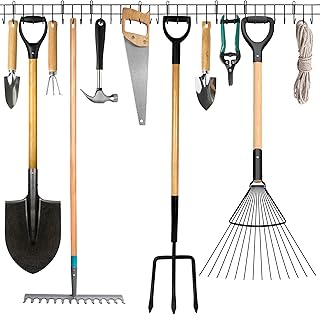
- StoreYourBoard Tool Storage Rack Plus Overhead Shelf, Home and Garage Organizer, Adjustable Wall Hanger System
- Racking Solutions Heavy Duty Garage Racking 3 Bay MEGA DEAL (1800mm H x 900mm W x 300mm D)
- 5 Tier Storage Rack Heavy Duty Shelving Galvanised Steel Garage Shelves | Heavy Duty Shed Storage Racking Shelf | For Warehouse, F...
- Yaheetech Garage Shelves Heavy Duty 5 Tiers Boltless Display Stand Steel Frame Garage Shelf with Adjustable Shelves Boltless Shelv...
- Rhino Racking - 5 Tier Heavy-Duty Garage Shelving Unit - Black Storage Shelves - 150x75x30cm - 200kg Load Weight Per Shelf - 1000k...
Enhanced Inventory Management
Effective inventory management is crucial for any industrial operation, and innovative racking systems play a vital role in this aspect. By incorporating technologies such as RFID tracking and barcode scanning, businesses can achieve real-time visibility of their inventory. In 2026, the integration of these technologies within racking systems will enable companies to manage stock more efficiently, reducing waste and improving order accuracy. The ability to quickly locate items will also enhance picking efficiency, leading to faster turnaround times and improved customer satisfaction.
Sustainability and Eco-Friendly Solutions
As sustainability becomes an increasingly pressing issue, the design of racking systems is also evolving. By 2026, we will see a significant shift towards eco-friendly materials and designs that minimise environmental impact. Innovative racking systems will incorporate sustainable practices, such as the use of recycled materials and energy-efficient manufacturing processes. This not only aligns with corporate social responsibility goals but also appeals to environmentally conscious consumers.
Customisation and Scalability
Another important feature of modern racking systems is their customisation and scalability. Businesses of all sizes can benefit from tailored solutions that cater to their unique needs. In 2026, we can expect an increase in demand for personalised racking systems that can be scaled up or down depending on the company's growth trajectory. This adaptability ensures that businesses can maintain efficiency as they expand or pivot, making it easier to manage fluctuating inventory levels.
The Role of Technology in Racking Systems
Technology is at the heart of the innovation driving modern racking systems. From advanced software that predicts inventory needs to drones that assist in stocktaking, the integration of technology is transforming the landscape of industrial storage. By 2026, we will likely see even more sophisticated systems that leverage machine learning and data analytics to streamline operations further. These advancements will allow companies to make informed decisions about their inventory management, ultimately leading to improved efficiency and reduced costs.
Conclusion
The future of industrial storage is set to become more efficient, sustainable, and technologically advanced. As we approach 2026, businesses must stay ahead of the curve by investing in innovative racking systems that can meet the evolving demands of the market. The potential for increased efficiency and productivity is immense, and those who embrace these changes will undoubtedly reap the rewards.