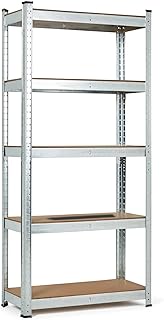
10 Tips for Organizing Your Warehouse with Industrial Racking
Efficient warehouse organization is essential for maximizing space, streamlining operations, and improving overall productivity. Industrial racking systems play a crucial role in warehouse organization by providing a structured storage solution for goods and materials. Here are 10 tips for organizing your warehouse with industrial racking:
1. Assess Your Storage Needs
Before investing in industrial racking, assess your storage needs to determine the type and size of racking that will best suit your warehouse. Consider the size and weight of your inventory, as well as the layout of your warehouse space.
2. Choose the Right Type of Industrial Racking
There are various types of industrial racking available, including pallet racking, cantilever racking, and shelving systems. Choose the type of racking that best fits your warehouse needs and the type of inventory you are storing.
3. Optimize Vertical Space
Make use of vertical space by installing tall industrial racking systems that allow you to store goods vertically. This will help maximize storage capacity and make efficient use of warehouse space.
People Also Look For:
- Monzana® Set of 2 Garage Shelving Units | 5 Tier Industrial Racking | Heavy Duty Free Standing Plug-In Shelves | Warehouse | Shed...
- ZENO Garage Shelving - 5 Tier | Heavy Duty Warehouse Racking Shelves | Metal Shelving Units | Industrial Racking | Holds 175KG Per...
- ZENO Garage Shelving - 5 Tier | Heavy Duty Warehouse Racking Shelves | Metal Shelving Units | Industrial Racking | Holds 175KG Per...
4. Implement FIFO (First In, First Out) System
Implementing a FIFO system with your industrial racking will help ensure that older inventory is used first, reducing the risk of goods becoming obsolete or expired. This system can be easily achieved by organizing your racking to allow for easy access to older inventory.
5. Label and Organize Inventory
Properly labeling and organizing inventory on your industrial racking will make it easier for warehouse staff to locate and retrieve items quickly. Use clear labeling systems and organize inventory based on size, type, or frequency of use.
6. Maintain Regular Inspections
Regularly inspect your industrial racking systems to ensure they are in good working condition and safe to use. Look for signs of damage, corrosion, or wear and tear, and address any issues promptly to prevent accidents or collapses.
7. Utilize Racking Accessories
Make use of racking accessories such as dividers, bins, and trays to further organize and optimize storage space on your industrial racking. These accessories can help categorize and separate items, making it easier to locate and retrieve inventory.
8. Implement Safety Measures
Ensure that safety measures are in place when organizing your warehouse with industrial racking. This includes securing racking to the floor, using load capacity labels, and providing training to staff on safe handling and storage practices.
9. Regularly Reorganize Inventory
As your inventory levels fluctuate, regularly reorganize items on your industrial racking to accommodate new arrivals and ensure efficient use of space. Consider using software or inventory management systems to help track and prioritize inventory movements.
10. Seek Professional Advice
If you are unsure about the best way to organize your warehouse with industrial racking, seek professional advice from warehouse storage experts. They can provide guidance on the most suitable racking systems for your needs and help you optimize your warehouse layout for maximum efficiency.