Key Considerations for Choosing Industrial Racking Systems in 2026
As we move into 2026, the importance of selecting the right industrial racking systems cannot be overstated. Businesses are constantly evolving, and their storage solutions must keep pace with changes in inventory management, warehouse layout, and operational efficiency. Understanding the key considerations when choosing racking systems is vital for optimising space and improving productivity.
Understanding Your Storage Needs
The first step in selecting an industrial racking system is to thoroughly assess your storage requirements. This involves evaluating the types of products you will store, their dimensions, weight, and turnover rates. Different racking systems cater to various types of products, such as pallets, boxes, or long goods. Knowing your inventory will help determine whether you need selective racking, drive-in racking, or another type of system. In 2026, with the rise of e-commerce and the need for rapid order fulfilment, flexible storage systems that can adapt to changing inventory are increasingly vital.
Space Optimisation
Maximising available space is crucial in any industrial setting. In 2026, businesses are expected to face increased pressures to utilise vertical space effectively. Therefore, understanding the height of your warehouse and the load-bearing capacity of the floors is essential. High-rise racking systems can significantly increase storage density, but they require careful planning to ensure safety and efficiency. Automated storage solutions are also gaining traction, allowing businesses to optimise space while reducing the risk of human error.
People Also Look For:
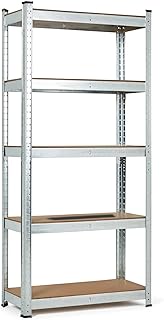
- ZENO Garage Shelving - 5 Tier | Heavy Duty Warehouse Racking Shelves | Metal Shelving Units | Industrial Racking | Holds 175KG Per...
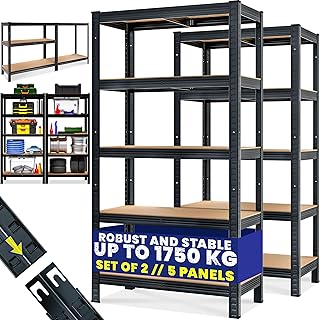
- Monzana® Set of 2 Garage Shelving Units | 5 Tier Industrial Racking | Heavy Duty Free Standing Plug-In Shelves | Warehouse | Shed...
- ZENO Garage Shelving - 5 Tier | Heavy Duty Warehouse Racking Shelves | Metal Shelving Units | Industrial Racking | Holds 175KG Per...
Safety and Compliance
In an industrial environment, safety should always be a top priority. When selecting a racking system, it is essential to consider compliance with safety regulations and standards. In 2026, this includes ensuring that your chosen system meets the latest health and safety requirements set by regulatory bodies. Regular inspections and maintenance of the racking system are also necessary to prevent accidents and ensure longevity. Investing in systems that offer safety features such as load indicators and anti-collapse mechanisms can provide added peace of mind.
Flexibility and Scalability
The business landscape is ever-changing, and the racking system you choose should be able to adapt to these shifts. In 2026, flexibility and scalability will be key considerations. Look for racking systems that can be easily reconfigured or expanded as your inventory needs change. Modular systems are particularly advantageous, allowing you to adjust your layout without significant downtime or expense. This adaptability not only saves money in the long run but also ensures you can respond swiftly to market demands.
Cost and Budget Considerations
While it may be tempting to choose the most expensive or the least expensive option, the best approach is to find a balance between quality and cost. In 2026, businesses must consider the total cost of ownership, which includes the initial purchase price, installation costs, maintenance, and potential downtime. Investing in a high-quality racking system may have a higher upfront cost but could lead to significant savings over time through reduced maintenance and increased efficiency.
Vendor Reputation and Support
Selecting the right vendor is as important as choosing the right racking system. In 2026, it is advisable to research suppliers thoroughly, looking for those with a solid track record in the industry. A reputable vendor should provide not only quality products but also excellent after-sales support, including installation services, maintenance, and training for your staff. Building a long-term relationship with a supplier who understands your business needs can lead to better service and solutions tailored to your requirements.
Technology Integration
Finally, in the era of Industry 4.0, integrating technology into your racking system is becoming increasingly essential. In 2026, consider racking systems that can integrate with warehouse management systems and inventory tracking technologies. This integration can enhance efficiency, reduce errors, and provide real-time data on stock levels. Automation and smart technology are likely to play a significant role in the future of warehouse management, making it crucial to choose systems that can support these advancements.