Navigating the Best Industrial Racking Solutions for 2026
As we approach 2026, the landscape of industrial racking solutions is evolving rapidly. With the increasing demand for efficient storage systems, businesses are seeking innovative solutions that not only maximise space but also enhance productivity. In this article, we will explore the best industrial racking solutions available, focusing on their features, benefits, and how they can be tailored to meet the specific needs of various industries.
The Importance of Selecting the Right Racking System
Choosing the right racking system is crucial for optimising warehouse space and improving operational efficiency. An appropriate system helps in organising inventory, reduces retrieval time, and decreases the chances of damage to goods. For businesses aiming to thrive in the competitive market of 2026, investing in the right racking solutions is essential.
Types of Industrial Racking Solutions
The market offers a variety of racking systems, each designed for specific applications. Here are some of the most popular types:
Selective Pallet Racking
Selective pallet racking is one of the most widely used systems in warehouses. It offers direct access to all pallets, allowing for easy inventory management. This type of racking is ideal for businesses that require flexibility and quick access to a diverse range of products. With its adjustable beams, it can accommodate various pallet sizes and weights, making it a versatile choice.
People Also Look For:
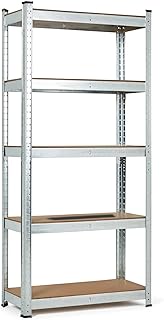
- ZENO Garage Shelving - 5 Tier | Heavy Duty Warehouse Racking Shelves | Metal Shelving Units | Industrial Racking | Holds 175KG Per...
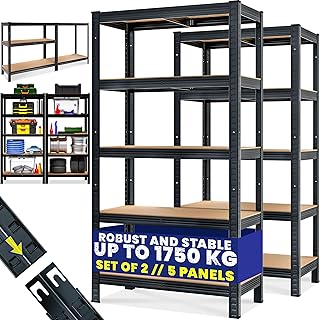
- Monzana® Set of 2 Garage Shelving Units | 5 Tier Industrial Racking | Heavy Duty Free Standing Plug-In Shelves | Warehouse | Shed...
- ZENO Garage Shelving - 5 Tier | Heavy Duty Warehouse Racking Shelves | Metal Shelving Units | Industrial Racking | Holds 175KG Per...
Drive-In Racking
Drive-in racking systems are designed for high-density storage. They allow forklifts to drive directly into the racking structure, maximising space utilisation. This system is particularly beneficial for businesses with large quantities of homogeneous products, as it reduces aisle space and increases storage capacity. However, it is essential to consider the rotation of stock, as this system is best suited for last-in, first-out inventory management.
Push Back Racking
Push back racking provides high-density storage while allowing for easy access to products. In this system, pallets are loaded onto wheeled carts that move along rails. When a new pallet is added, it pushes the previous pallets back, creating a compact storage solution. This system is excellent for businesses that need to store multiple products with varying degrees of access frequency.
Automated Storage and Retrieval Systems
As technology advances, automated storage and retrieval systems are becoming increasingly popular. These systems utilise robotics and software to manage inventory and optimise storage. They enhance efficiency by automating the retrieval process, reducing human error, and increasing throughput. For businesses looking to streamline operations and reduce labour costs, investing in automation is a forward-thinking choice for 2026.
Considerations for Choosing Racking Solutions
When selecting a racking system, several factors must be taken into account. Firstly, businesses should assess their storage requirements, including the types of products to be stored and their turnover rates. Additionally, the layout of the warehouse and the available space will influence the choice of racking system. Safety regulations and compliance standards should also be considered to ensure that the selected system adheres to industry guidelines.
Future Trends in Industrial Racking
As we look ahead to 2026, several trends are likely to shape the future of industrial racking solutions. Sustainability is becoming increasingly important, with businesses seeking eco-friendly materials and designs that minimise environmental impact. Furthermore, the integration of smart technology will enhance the capabilities of racking systems, allowing for better inventory management and real-time data analysis. These advancements will not only improve efficiency but also contribute to cost savings and a more streamlined operation.
Conclusion
In summary, the landscape of industrial racking solutions is set to evolve significantly by 2026. As businesses face increasing pressure to optimise space and enhance efficiency, understanding the various types of racking systems and their applications will be paramount in making informed decisions. By considering the factors mentioned and staying abreast of emerging trends, companies can position themselves for success in the years to come.